

If you’ve ever wondered whether a debit card or a credit card is the better choice, you’re not alone. Most people use these two types of cards interchangeably, but they actually work very differently. Choosing the right one can make a big difference for your financial health. Let’s break it down in simple terms.
What is a Debit Card?
A debit card is linked directly to your bank account. Every time you make a purchase, the money comes straight out of your account. Think of it as using cash, but in a digital form.
✅ Pros of Debit Cards:
-
No debt: You’re spending money you already have.
-
Easy to use: Just swipe, tap, or enter your PIN.
-
Helps with budgeting: Since you can only spend what’s in your account, it’s harder to overspend.
-
Lower fees: Usually, you don’t have interest charges like a credit card.
❌ Cons of Debit Cards:
-
Limited rewards: Most debit cards don’t offer cashback or points.
-
Less fraud protection: If someone steals your card, your bank account could be emptied.
-
Not ideal for large purchases: Some big-ticket payments may require a credit card.
What is a Credit Card?
A credit card lets you borrow money from your bank up to a certain limit. You pay back later, usually with interest if you don’t pay the full balance on time.
✅ Pros of Credit Cards:
-
Build credit history: Responsible use can improve your credit score.
-
Rewards and perks: Many cards offer cashback, points, or travel miles.
-
Better fraud protection: If your card is stolen, you’re often not liable for charges.
-
Emergency funds: Can be helpful in unexpected situations where you don’t have cash.
❌ Cons of Credit Cards:
-
Risk of debt: Overspending can lead to high-interest debt.
-
Fees: Late payments or exceeding limits can cost you extra.
-
Can affect credit score: Poor management hurts your credit history.
Key Differences Between Debit and Credit Cards
| Feature | Debit Card | Credit Card |
|---|---|---|
| Source of Money | Your own money | Borrowed money from bank |
| Spending Limit | Account balance | Credit limit |
| Interest Charges | None | Charged if balance unpaid |
| Rewards | Rare | Often available |
| Fraud Protection | Limited | Usually stronger |
| Credit Score Impact | No effect | Can build or damage |
Which One is Better for Daily Use?
For daily shopping, groceries, or paying bills, a debit card is often safer. You can’t spend more than you have, so it keeps your budget in check.
Which One is Better for Building Credit?
If your goal is to improve your credit score, a credit card is better. Using it responsibly, paying off the full balance each month, and avoiding late payments will help you build a strong credit history.
Which One is Safer?
Credit cards usually offer better protection against fraud. If your debit card is stolen, hackers have direct access to your bank account. With a credit card, the money is borrowed, and you typically have a grace period to report fraud before you’re responsible for charges.
Hidden Benefits You Might Not Know
-
Some credit cards offer travel insurance when you book flights or hotels. ✈️
-
Certain debit cards now give small cashback rewards for groceries or fuel. 💰
-
Using a credit card abroad often provides better currency conversion rates. 🌍
-
Debit cards can be linked to mobile wallets for contactless payments, which is very convenient. 📱
Tips for Smart Use
-
Use debit for essentials: Groceries, bills, small daily expenses.
-
Use credit for rewards: Pay for larger purchases or recurring subscriptions to earn points or cashback.
-
Pay your credit card in full: Avoid interest and keep your credit score healthy.
-
Keep an eye on fees: Both cards can have hidden charges for ATM withdrawals, foreign transactions, or late payments.
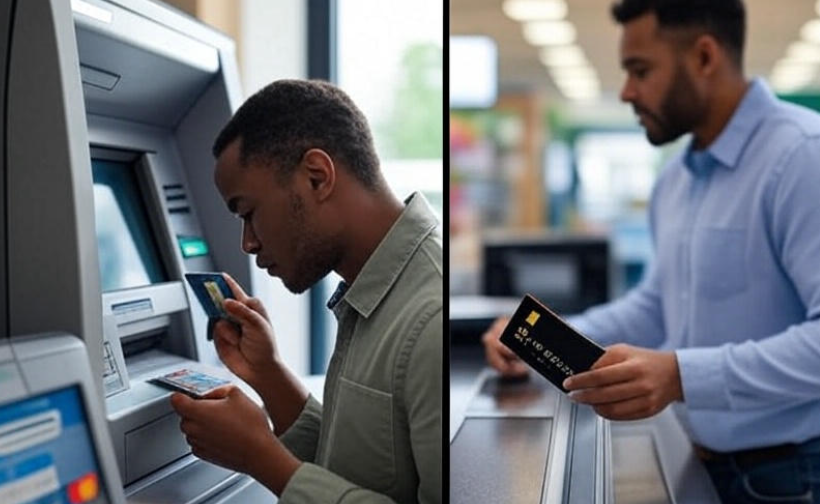
Debit vs Credit Card: Which One Is Better?
Situations Where One Card Wins
-
Traveling abroad: Credit card (better exchange rates and fraud protection).
-
Monthly budgeting: Debit card (helps avoid overspending).
-
Building credit history: Credit card (use responsibly).
-
Emergencies: Credit card (extra funds if your bank balance is low).
Common Misconceptions
-
Debit cards are always safer than credit cards: Not always. Credit cards provide better fraud protection.
-
Credit cards always lead to debt: Only if you overspend or don’t pay the full balance.
-
Debit cards don’t have rewards: Some modern debit cards now offer cashback or perks.
Conclusion
So, which one is better? Honestly, it depends on your needs. For everyday spending and staying within your budget, a debit card works well. For building credit, earning rewards, or emergency funds, a credit card is ideal. Many people use both: debit for day-to-day transactions and credit for larger purchases or rewards.
💡 Pro Tip: Keep both cards, but understand their limits. Use each strategically to maximize safety, rewards, and financial growth.
-
🚀 Building your savings goal? Check out: How to Build an Emergency Fund Fast
FAQs
Q1: Can I use a debit card to build my credit score?
No, debit cards do not affect your credit score because you are spending your own money.
Q2: Is it safer to use a credit card online?
Yes, credit cards usually have better fraud protection and allow you to dispute charges.
Q3: Can using a credit card help me save money?
Yes! If you pay the balance in full each month, you can earn rewards and cashback without paying interest.
Q4: Should students get a credit card or debit card first?
Students often start with a debit card to manage spending. A small credit card later can help build credit history responsibly.
Q5: What happens if my debit card is stolen?
If reported quickly, you can limit the loss, but your bank account is directly at risk. Credit cards are generally safer in such cases.